Tanzania Highlight Safari
7 Days Tanzania Highlight Safari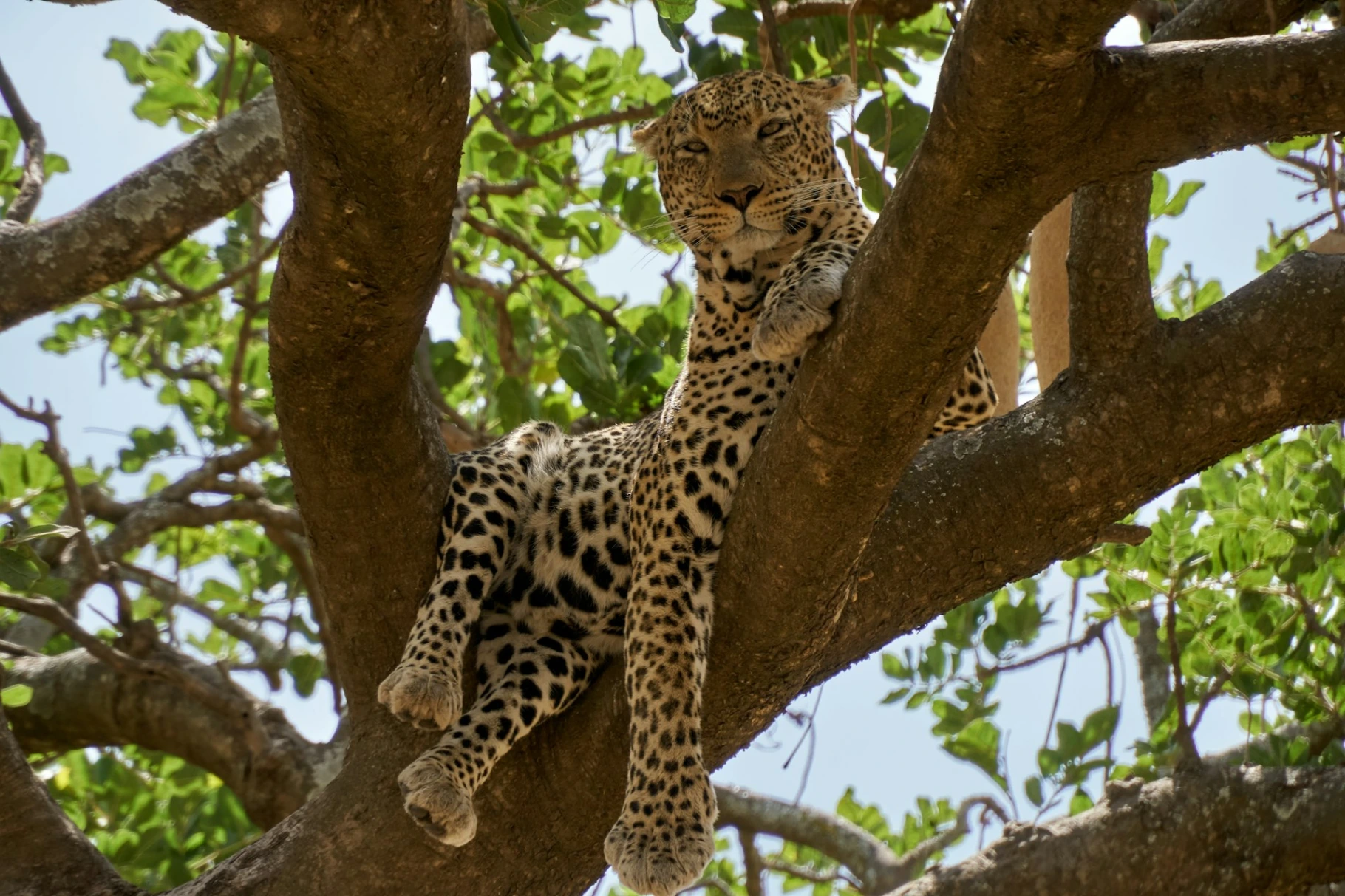
Day 1 – Arrive Kilimanjaro Airport
Upon arrival at Kilimajaro International airport, After clearing immigrations and collecting your luggage you will be met by your driver who will be waiting for you at arrivals. Drive to Arusha for check in and overnight at Rivertrees Lodge
Day 2 – Arusha City to Karatu
Breakfast at the lodge. Depart and head to Lake Manyara National park. Its a small park but one of Tanzania’s most dramatically located wildlife areas, home to a clear blue shallow soda lake dotted with hippos lying below the dramatic hills of the Great Rift Valley escarpment. It’s an excellent birding destination and the only place in Tanzania where you may see tree-climbing lions. Enjoy a picnic lunch and later transfer to Karatu for dinner and overnight. Acacia Farm House.
Day 3 –Karatu to Ngorongoro Crater
Breakfast at the lodge and depart with picnic lunch boxes for a full-day safari in the Ngorongoro Crater. Your day starts with views over the largest intact volcanic caldera in the world. At 259 sq km (160 sq miles), the sheer size of the crater makes it difficult to comprehend the height of the towering walls, but the wind and clouds up here give you a hint. The rim of the crater sits around 610 m (2,001 ft) above the crater floor, and you’ll begin your descent to a naturally contained ecosystem home to zebra, wildebeest, buffalo, lion, hyena, jackal and even critically endangered black rhino. Later in the evening you will drive back to the lodge for dinner and overnight. Acacia Farm House
Day 4 – Ngorongoro Crater to Serengeti
Today you will depart Karatu and drive to the Serengeti through local villages on the way. The park is covered with flat or gently rolling grasslands and occasionally dotted with rock kopjes, home to good populations of resident wildlife. Big cats love to have a good vantage point, and the kopjes provide that. Massive herds of wildebeest call this southern section home when they’re birthing before moving farther north. Dinner and overnight at Serengeti Kati Kati Camp.
Day 5 – Full day Serengeti
Every year, two million wildebeest and zebra migrate from the plains of the Serengeti to the grasslands of the Masai Mara in Kenya in search of ground to feed. The most sought-after time to see this natural spectacle is from July to October, when the herds congregate on the banks of the Mara River, their final obstacle before reaching fertile ground. Driven by instinct and the smell of rain, the wildebeests and zebras take the dangerous plunge into the river. Those who escape the surging waters and gigantic crocodiles must stay alert enough to avoid the big cats waiting on the far side. The herds will graze in the Masai Mara for a time, splitting into groups that cross and re-cross the Mara River. Eventually, they will wander back south through the Serengeti. The migration can be seen every month of the year, starting with the calving season in the southern Serengeti from January to March, and planning your safari will depend on your interests and your budget.
Day 6 – Full day Serengeti
Al meals will be at the camp with game drives. Big cats are territorial and do not migrate with the millions of wildebeest and will often live in one area throughout their lives. Elephants like to stay as far away from the chaos of the migration as they can get. While the migration is a natural phenomenon that wildlife lovers dream of seeing, there are isolated, quiet areas of the Serengeti waiting for you as well. Return later to the camp for dinner and overnight.
Day 7 – Serengeti to Kilimanjaro
Breakfast at the camp and transfer to the airstrip with a game enroute and fly to Kilimanjaro Airport for your connecting onwards flights home. Alternatively you can opt for beach extension at Zanzibar